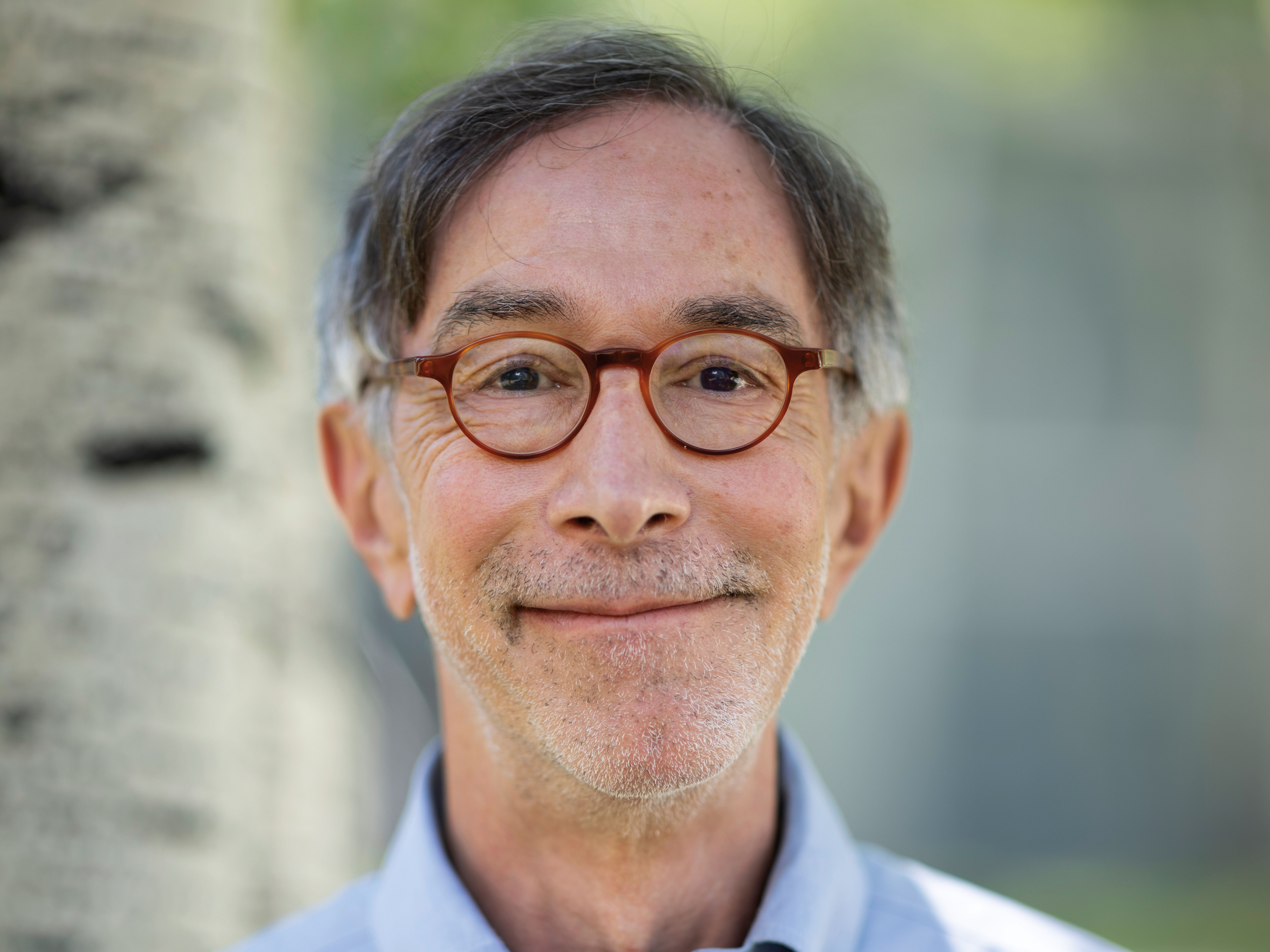
Anthony Todaro: Pitkin County Sheriff’s First Motorcycle Patrol Officer

Where did your motorcycle journey begin?
My love for motorcycles started when I was 8 years old. Our neighbor in Woody Creek Trailer Park was a single guy who had a bunch of bikes: classic Bultacos, Yamahas…and a Honda XR80. I would stare at this motorcycle for hours. Finally, one day, he let me ride it, with a helmet that didn’t fit me very well. I rode around in circles until I ran out of gas. I was hooked.
At 14, I worked all summer at Renaissance Restaurant, made the money, and bought my first dirt bike, a Honda XR200. We lived at Centennial; I rode up and down Smuggler Mountain every day after school and on weekends. My passion has always been for off-road travel because the fun doesn’t stop when the pavement ends.
In 2011 you rode 13,000 miles up to the Arctic Circle with a buddy from Aspen.
That trip going through Alaska was my first multiday motorcycle trip. I had saved up and bought my dream bike: a KTM 990 Adventure. (I still own it; I have about 60,000 miles on it.) We went up through Glacier National Park and crossed the border into Alberta, Canada. Banff, Lake Louise, Jasper National Park—all beautiful places. Several days of oil-and-gas country: the Dempster Highway from Dawson City to Inuvik. We rode 15 hours a day [in] horrible weather: snow, rain, hail. Our butts were sore. We camped 90 percent of the time. But after 10 days, riding 600-plus miles a day, we got to the sign: Arctic Circle. I was standing there, thinking, “Oh, yeah, it’s easy.”
Biggest lesson learned on that trip?
My motorcycle was so heavy! Now when I go motorcycle camping, it’s all in one duffel. You realize that comfort is a mindset.
Did that influence the path you took to becoming the first motorcycle patrol officer with the Pitkin County Sheriff’s Office?
Route-finding, logistics, and tough conditions…it prepared me. I ride with more awareness now, reading surfaces, knowing bike limits. As motorcycle riders, we’re constantly scanning for anything that’s gonna kill us.
How did you get the job?
In 2022, we elected a new sheriff, Michael Buglione. He’s got a great vision for public safety and community relations. I brought the proposal to him; he liked the idea of adding a motorcycle to enforce traffic safety and accessibility, especially up Independence Pass.
As a regional sheriff’s office, our responsibilities are to the citizens and visitors of Pitkin County—1,000 square miles—and most of that encompasses county roads. However, through that corridor, a state highway constitutes the highest volume of calls for service: reckless or drunk-driving reports, aggressive drivers, speeding. We recognize that our routine patrol should include safety on Highway 82.
What bike are you on, and what training is required?
There are really only two purpose-built police motorcycles. One’s a Harley Davidson; the other is [mine], a BMW R 1250 RT-P. The P stands for “police.” The Grand Junction Police Department invited me to participate in their two-week, 80-hour training—probably the most grueling thing I’ve ever done on two wheels in my life. Most drills are based on slow-speed maneuvers in a series of nine different obstacles, from fairly easy serpentines to giant offsets to a big cloverleaf in an 18-foot diameter. You learn to balance a heavy, big motorcycle at really slow speeds, so you can control it when going fast. If you’re traveling on a two-lane road and somebody goes whizzing by, you must be able to emergency brake, turn, and catch up safely.
What are the advantages of using the motorcycle on patrol?
It’s a tool for access, mobility, and quick response. Last summer, I had to get up the Pass quickly for a bicycle accident. I arrived 15 minutes before the fire department and was able to establish a safe scene. In and out of town during peak summer months, I can zip through traffic with ease. Agencies on the Front Range refer to a motorcycle as a “force multiplier.” I can get nine traffic stops in an hour. Maybe half that in a patrol vehicle.
And limitations?
In a mountain community like ours, you can only use it for half the year—seven and a half months. This season, I very nearly got the bike out on Christmas, it was so warm that day. Weather plays a big role. Aspen Police Department Chief Kim Ferber was a motor operator in Denver for some of her career. She told me, “You’re going to be tired!” I kind of didn’t believe her…but, yeah, you’re getting on and off the bike, out in the heat. You get fatigued.
The motorcycle looks so damn cool! How does it make you feel?
I am the first motor operator that Pitkin County has ever seen. And there are a lot of motorcyclists here! I’m incredibly proud of this motorcycle. It’s fun, waving, getting looks as you pass by. And it’s a great way to start a conversation, right? Let’s face it, nobody likes being pulled over by the cops. But it can be an icebreaker.